
Moving home or office involves more than packing boxes and organising transport. Once furniture, appliances and personal belongings are on the road, knowing what happens if something is lost or damaged becomes an important part of planning a move.
For anyone hiring a removalist in Central Coast, understanding the difference between goods-in-transit cover, public liability and protection for personal belongings can help avoid unexpected costs. It is also important to know what exclusions, limits and packing conditions may apply.
Town and Country Roof Restoration understands the importance of being prepared and knowing what insurance protection is available before moving day. Reviewing existing home and contents insurance and considering additional cover for valuable or fragile items can help ensure belongings are better protected throughout the move.
Hiring a professional removalist does not automatically mean every item is fully insured. Removalist insurance protects the business against risks such as public liability, vehicle accidents and workplace incidents, while separate goods-in-transit or contents cover may be needed to protect the customer's belongings.
A removalist's business insurance may include:
This insurance does not automatically compensate customers for damaged furniture, appliances or personal possessions. Where customer goods are covered, conditions may apply regarding how items are packed, when cover begins and ends and which types of damage are mentioned.
Goods-in-transit or contents-in-transit insurance is designed to protect the belongings being moved. It may be offered by the removalist as an optional policy, arranged separately with an insurer or included to some extent under an existing home and contents policy.
Depending on the policy, cover may have vehicle collision or overturning, fire, certain weather events, theft from a secured removal vehicle and accidental damage during loading or unloading.
However, fragile items, valuables and self-packed boxes may have specific exclusions or limits.
Before moving day, confirm:
Customers who are unfamiliar with excesses, premiums and other general insurance terms should clarify these definitions before comparing policies or relying on a particular type of cover.
Understanding the difference between the removalist's business insurance and cover for personal belongings makes it easier to identify potential gaps and decide whether additional protection is needed.
Public liability and goods-in-transit insurance protect against different risks during a move. Public liability covers the removalist's legal liability for injury to other people or damage to third-party property, while goods-in-transit insurance is intended to protect the belongings being moved.
Public liability insurance may respond if a removalist causes property damage or someone is injured while carrying out moving work. For example, it may cover damage to a tiled floor caused by a dropped item or a wall scratched while furniture is being carried inside.
However, public liability does not normally cover the customer's furniture, appliances or personal belongings. Customers should confirm that the removalist has current public liability insurance and check the level of cover provided.
Goods-in-transit insurance covers belongings while they are being loaded, transported and unloaded, subject to the policy terms. Depending on the cover, it may protect against:
Exclusions can apply to poorly packed or fragile items, pre-existing damage, normal wear and tear and high-value belongings that have not been declared. Self-packed boxes may also have more limited protection.
Before booking, ask for the policy details and confirm what is covered during loading, transit and unloading, along with the applicable excess and any overall or per-item limits.
Removalist insurance can protect belongings against certain risks while they are being loaded, transported and unloaded, but the level of cover varies between policies. Customers should check the policy rather than assume all moving-related damage is covered.
Depending on the policy, cover may have:
Packing requirements can also affect cover. Professionally packed fragile or valuable items may receive broader protection, while self-packed boxes can be subject to exclusions or lower limits.
Yes. Removalist insurance usually has limits on how much can be claimed. Policies may set an overall maximum as well as separate limits for certain items or categories.
The claim amount can depend on the declared value of the goods and whether high-value belongings were specifically listed. Items such as artwork, antiques, jewellery, collectibles and expensive electronics may have lower sub-limits or require additional cover.
Customers should also check the policy excess, as this is the amount they may need to contribute towards an eligible claim.
Accurately declaring the replacement value of belongings is important. Underestimating their value can leave a shortfall if multiple items are damaged or the entire load is lost.
Regularly reviewing replacement values can help households avoid being underinsured, particularly after purchasing new furniture, appliances, electronics or other valuable belongings.
Sometimes, but it depends on the policy and who handles the packing and unpacking. Some policies cover accidental damage during professional packing, loading, unloading and unpacking, while others only cover specific risks during transit.
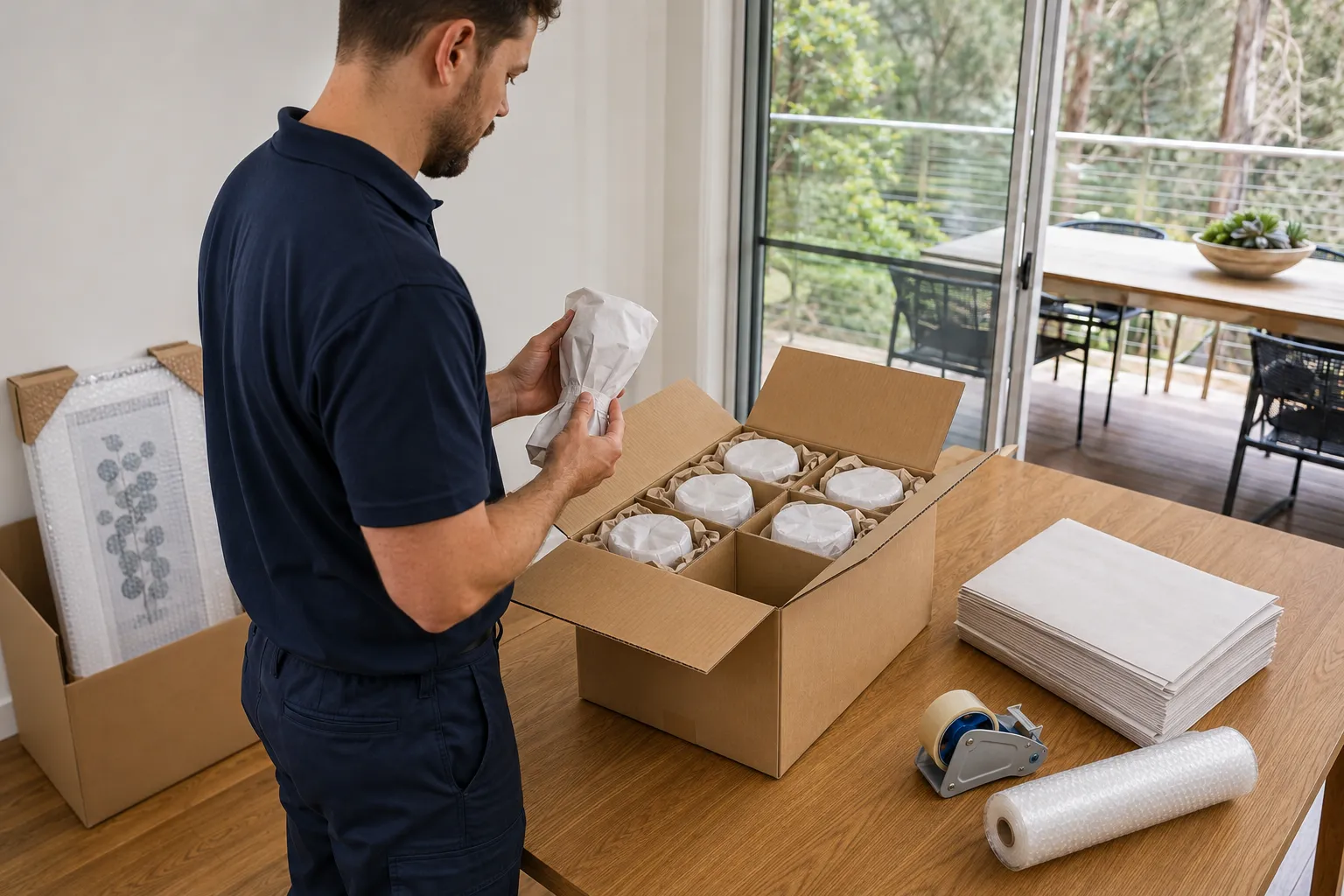
Professional packing may receive broader protection because the removalist is responsible for using suitable materials and handling methods. Self-packed belongings, however, may have exclusions where damage results from inadequate padding, unsuitable boxes or poor packing.
Following practical advice for packing and transporting belongings safely can reduce movement inside boxes and lower the risk of preventable damage during transit.
Before moving day, confirm whether the policy covers:
If damage is discovered during delivery or unpacking, photograph it and report it promptly. Checking the policy's packing requirements and exclusions beforehand can help prevent unexpected gaps in cover.
Removalist insurance does not cover every type of damage, item or situation. Self-packed belongings, high-value items, pre-existing damage and certain events may be excluded or subject to limits.
Here are some common exclusions or restrictions:
Customers should also check which items removalists will not transport, as dangerous goods, important documents, valuables, perishables and certain other belongings may need separate arrangements.
Where valuable or fragile belongings fall outside standard cover, additional insurance or professional packing may provide greater protection.
Standard removalist cover may not provide enough protection for high-value belongings, fragile items or moves involving storage. CARTS provides additional transit and storage insurance that can be tailored to the value of the belongings and circumstances of the move.
Depending on the policy selected, additional cover may include:
Fragile items may also be covered when they are professionally packed or packed according to the insurer's requirements.
Customers declare the total replacement value of their belongings and may need to separately list high-value items. Providing realistic current replacement values is important because underinsurance can affect the amount payable on a claim.
Cover is arranged before the move and may continue through transit and approved storage until the goods are delivered or the policy period ends. Costs and conditions depend on factors like declared value, type of goods, distance and additional cover selected.
Customers should review the policy terms to understand exclusions, packing requirements, limits and claim conditions before choosing additional cover.
Before arranging separate removalist insurance, check whether an existing home and contents policy already provides cover during a move. Some Australian policies have limited protection for contents in transit, while others cover only specific events or exclude moving altogether.
The Product Disclosure Statement should confirm:
For example, a policy may cover belongings if the removal truck is involved in an accident but not if a television is accidentally dropped while being carried.
Home and contents policies may have lower limits while belongings are being moved or apply specific sub-limits to valuable items.
Check the total amount covered in transit, limits for jewellery, artwork, antiques and electronics and whether high-value items must be separately listed.
Check any requirements for professional packing or original packaging.
An excess may apply to a transit claim, so check the amount before relying on existing cover. Keeping receipts, photographs and valuations can also help establish ownership and value if a claim is required.
If belongings will be stored temporarily or moved to another address before final delivery, confirm whether the policy covers those situations. If it does not, separate transit or storage insurance may be necessary.
Insurance is best discussed before booking a removalist, as not all companies provide the same level of protection for customer belongings. A removalist may have public liability and vehicle insurance without providing full cover for the items being transported.
Before committing to a removalist, ask:
Ask whether the removalist has goods-in-transit or customer goods insurance and when that cover applies. Confirm whether protection extends through packing, loading, transport, unloading and unpacking, as well as temporary storage if required.
Find out whether the policy covers accidental handling damage as well as events such as collisions, fire, theft and vehicle overturning. Ask specifically about exclusions for self-packed boxes, fragile items, pre-existing damage, wear and tear, electrical faults and high-value belongings.
Check the overall policy limit, any per-item or category limits and the excess payable on a claim. Valuable items may need to be declared separately or covered under an additional policy.
If standard protection is limited, ask whether additional transit or removals insurance is available. This may provide higher replacement-value limits or additional protection for valuable belongings, storage and extended transit.
Ask to see the relevant insurance documents, certificate of insurance or summary of cover. Written details are more reliable than verbal assurances and allow customers to confirm exactly what is covered before committing to the move.
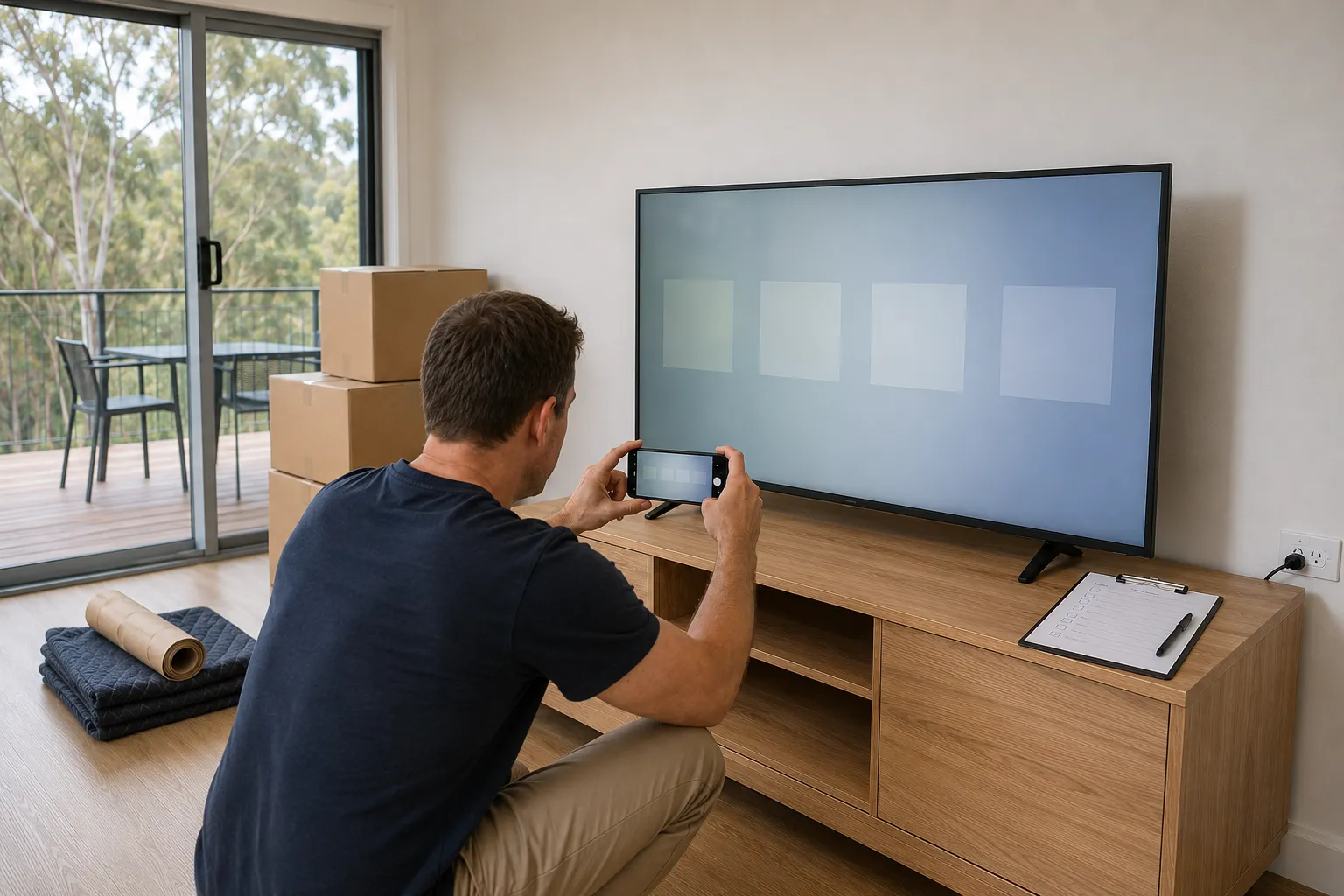
Following a simple process before, during and after the move can make it easier to support an insurance claim. Keeping records of belongings, their condition and value also helps establish what happened if something is damaged or lost.
List valuable or fragile belongings such as electronics, artwork, antiques and jewellery. Record useful details like the item's description, brand, model, serial number and approximate value.
Keep the inventory digitally so it is easy to access if a claim is required.
Take clear photos of valuable items before they are packed. Capture several angles and photograph any existing scratches, dents or other damage.
A short video of each room can also provide a useful record of belongings and their condition before the move.
Keep receipts, invoices, valuations and other documents that establish the value of important belongings. If receipts are unavailable, other purchase records or evidence of comparable replacement costs may help support the claimed value.
Check belongings as they come off the truck rather than waiting until everything has been unpacked. Look for scratches, dents, broken parts, water damage and other issues.
If damage is found, photograph it immediately and record it on the delivery documentation before signing.
Notify the removalist or insurer as soon as damage or loss is discovered, following the timeframe specified by the policy. Provide photographs, inventory details and proof of value and keep copies of all correspondence and claim documents until the matter is resolved.
Removalist insurance is not simply an optional extra but an important part of planning a well-protected move. Understanding the difference between business insurance, public liability and goods-in-transit cover helps identify what is protected and where gaps may remain.
By checking policy limits, exclusions, packing requirements and existing home insurance before moving day, customers can make more informed decisions about additional cover. With Town and Country Roof Restoration, careful documentation of belongings and prompt reporting of damage can also make the claims process easier if something goes wrong.


