
When you are preparing for a move, it is easy to assume that your removalist can load absolutely everything onto the truck. In reality, there are clear safety, legal and insurance rules that determine what can and cannot be transported. These rules protect your belongings, keep the moving team safe and help prevent incidents on the road. At Vella Van, we always remind clients that knowing these limits early makes moving day run far more smoothly. Whether you are relocating across town or working with a trusted removalist in Central Coast, understanding these restrictions will help you avoid stress, delays and last-minute surprises.
Some belongings simply are not suitable for transport in a moving truck. This can be due to fire hazards, chemical risks, privacy concerns, perishability or even biosecurity regulations in Australia. Below, you will find a clear breakdown of the most common restricted items and the reasons behind each rule, so you can prepare confidently.
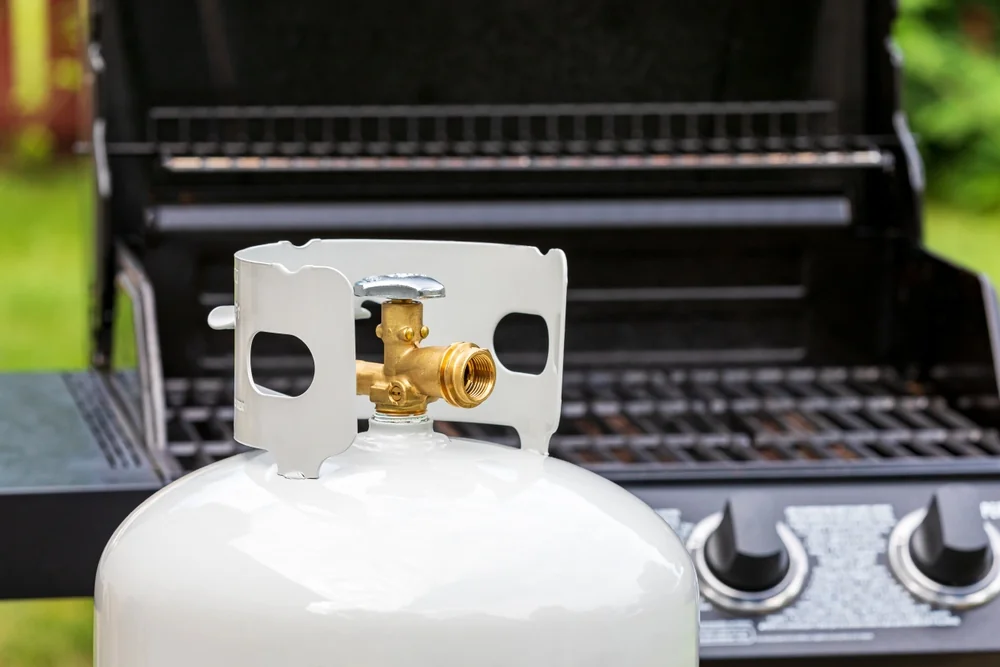
Gas bottles and flammable liquids are some of the most strictly prohibited items. Even when containers look empty, leftover vapours can become dangerous inside a warm, enclosed truck.
Before we get into examples, it helps to know why removalists avoid these items. They fall under Australia’s dangerous goods regulations and carry a high risk of fire or explosion. A single leak from a petrol can could damage not only your belongings but also the truck and moving crew.
These products fall into the ‘no go’ category:
If you need to transport these yourself, keep them upright in a ventilated vehicle and never leave them inside a hot car.
Paints and chemicals may seem harmless when sitting in your garage, but they can become problematic when transported. Heat and movement inside a truck can cause leaks or fumes, and a small spill can ruin nearby furniture or boxes.
Removalists avoid these items because they are unpredictable under changing temperatures and can cause health or safety issues. Councils across Australia also have strict disposal rules, so you will often need to handle these separately.
Common items that cannot be loaded onto the truck include:
If you only have a small amount left over from home projects, consider dropping them off at a local recycling or chemical disposal centre before your move.
Most removalists will not transport valuables, not because they don’t want to help, but because these items cannot be insured in a way that genuinely protects you. If something were lost or damaged, it would be extremely difficult to replace.
Think of it this way: the safest place for your most precious belongings is always with you.
Make sure to transport these items personally:
A small carry bag or lockbox you keep with you during the move is usually the safest option.

Certain documents are simply too important or too private to risk misplacing. Removalists avoid these items because the consequences of loss or damage can be serious.
Personal records can also be difficult or impossible to replace, so it is best to keep them with you during the move.
Documents that fall into this category include:
Keep these in a waterproof folder or envelope in your personal vehicle.
Plants and perishables often create misunderstandings on moving day. Many people assume that removalists can take them, but unfortunately this is not the case. Plants wilt quickly without airflow, perishables spoil fast and soil can carry pests or contaminants.
Biosecurity rules between Australian states also limit what organic material can be moved.
Items removalists will not transport include:
If you are moving locally, you may be able to transport plants yourself. For longer moves or interstate relocations, it is often easier to rehome them or start fresh at your new property.
Pets are members of the family and need proper care throughout the moving process. A removalist truck is not a safe environment for animals due to heat, noise, vibrations and lack of ventilation.
Similarly, many pet inclosures are fragile and require temperature control or specialised handling.
Removalists cannot transport:
For pets, always use an approved carrier and transport them in your own vehicle or arrange a professional animal transport service.
Knowing what cannot go on the truck is only half the job. The next step is planning what to do with these items so your move stays organised and stress-free. Fortunately, you have several simple options.
Before you pack, go through your home and set aside anything that falls under the restricted list. Many items can either be disposed of responsibly or stored until you need them again.
Safe disposal options include:
If you prefer to keep certain items, consider storing them safely:
Storage tips:
Some restricted items can still be transported as long as you move them. With the right preparation, this can be easy and safe.
For valuables:
For plants:
For small amounts of paint or chemicals:
Some items require skills, tools or transport conditions that go beyond what a standard removalist can offer. This is where specialist movers can make a huge difference.
You might need a specialist mover if you are handling items such as:
Specialist movers have the right equipment, packing techniques and insurance to keep these items safe throughout the journey.
Knowing what removalists cannot move gives you a clearer picture of how to prepare for your big day. By planning ahead, making safe choices and getting specialist help when needed, you can avoid stress and enjoy a smoother relocation. At Vella Van, our goal is to help you move with confidence, and understanding these item restrictions is an important step in ensuring a safe and seamless experience.


