
Buying a new sofa or relocating an existing one can seem straightforward until moving day arrives and the furniture will not fit through the door. Whether you are furnishing a new home or working with a professional removalist in Central Coast, taking the time to measure and plan ahead can prevent stress, property damage and costly mistakes. Vella Van regularly sees how a lack of preparation can turn a simple move into a much more difficult job.
Before committing to a large piece of furniture or attempting to move it into a new space, it is important to understand the access limitations of both properties. Doorways, hallways, staircases, tight corners, lifts and outdoor pathways can all affect whether a sofa can be moved safely. This guide explains the key measurements, access checks and practical considerations that can help ensure your furniture reaches its destination without unnecessary surprises.
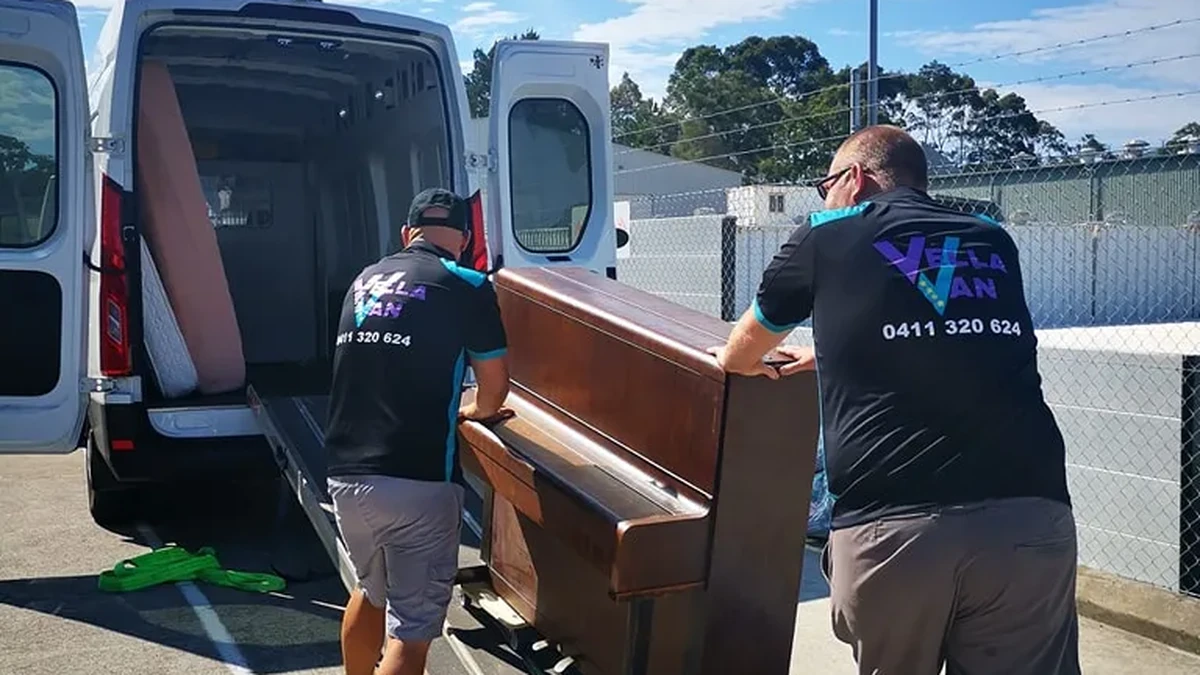
Accurate measurements can make the difference between a smooth move and a sofa stranded in the hallway. Before moving day, confirm that every large item can clear the doorways, corridors and stairs it needs to pass through. Measuring early gives you time to plan an alternative route, remove obstacles or ask your removalist whether partial disassembly may be needed.
Do not rely only on a sales tag or online listing. Furniture dimensions can be listed differently depending on the manufacturer, and cushions, arms, feet or curved backs may add extra bulk. A quick tape measure check a few days before moving day can help prevent last-minute stress and reduce the risk of damage to walls, frames or the furniture itself.
Start with the largest and most awkward items, such as sofas, armchairs, wardrobes, chests of drawers and bed frames. For each item, measure:
For sofas and armchairs, also measure the diagonal depth. Place the tape from the top back corner to the front of the opposite base corner. This measurement is important because large furniture is often tilted or angled through narrow openings rather than carried straight through.
If the sofa has removable legs, loose cushions or detachable sections, measure it both fully assembled and with those parts removed. A few centimetres can make a major difference when working through a narrow doorway or around a tight turn.
Many larger furniture pieces are designed to come apart, even if this is not obvious at first glance. Before deciding that something is too large to move, check whether any parts can be removed safely.
This may include:
Inspect the underside of sofas and chairs for screws, brackets, clips or bolts. A screwdriver or Allen key may reduce the dimensions by several crucial centimetres. When removing any parts, keep screws and fixings in a labelled bag taped securely to the furniture so they are easy to find during reassembly.
If the item is more complex, such as a recliner, sofa bed or fixed-frame sofa, avoid forcing parts apart. These items may include hidden mechanisms, cables, gas struts or locking systems. In these cases, it is better to check the manufacturer’s instructions or ask an experienced removalist before attempting anything that could damage the furniture.
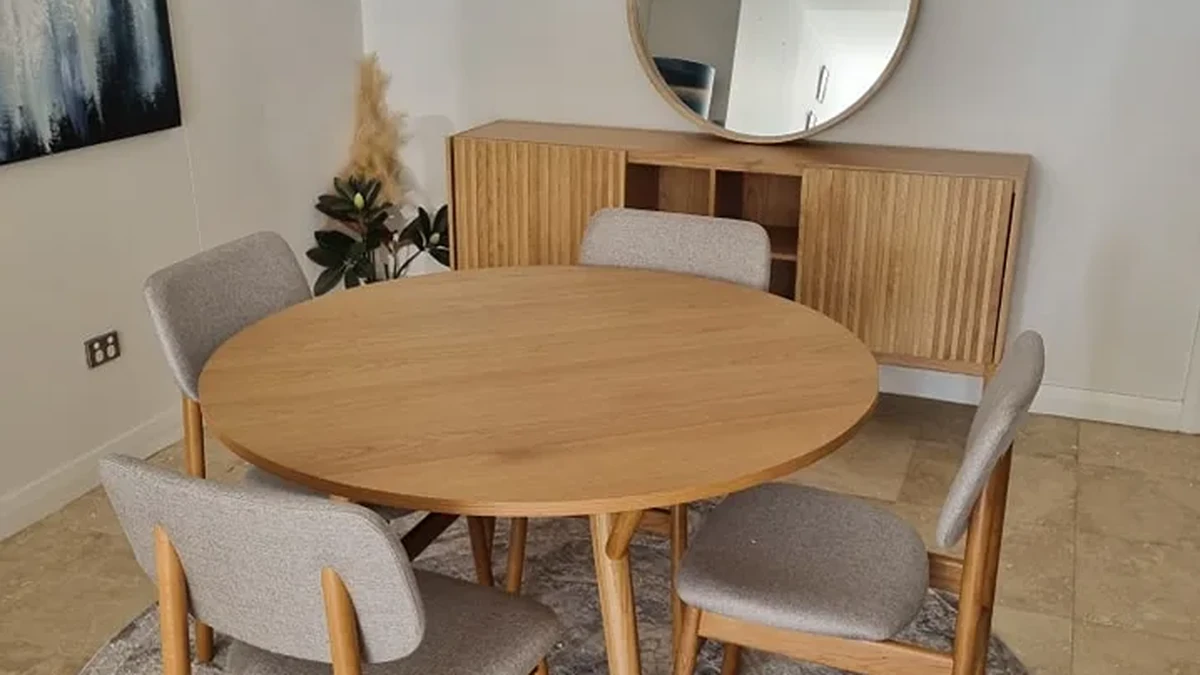
Measurements should include more than the bare size of the furniture. Once wrapped in blankets, bubble wrap or protective film, a sofa or wardrobe can gain extra width and height. This added bulk should be included when checking whether an item will fit.
It is also important to think in three dimensions. Furniture is rarely carried in a perfectly straight line. It may need to be tilted, rotated, stood on end or angled around corners. If a measurement is borderline, allow extra clearance rather than assuming it will squeeze through. Forcing furniture through a tight opening can damage upholstery, scrape walls or put unnecessary strain on the people carrying it.
A sofa move succeeds or fails on the entire route, not just the front door. The full path from the van to the final room should be checked in advance at both properties. This includes outdoor access, entry points, internal hallways, staircases and the room where the furniture will be placed.
Think of the access route as one continuous path. If any single point is too narrow, low or awkward, the whole move can stall. Checking the route early allows time to clear obstacles, remove doors, book lift access or consider another entry point.
Begin outside and follow the exact path the furniture will take. At each stage, imagine the sofa being carried at its largest dimensions.
Check:
Measure gate openings and narrow paths, including spaces between parked cars, garden walls, fences or hedges. A sofa that fits through the front door can still get stuck outside if the access path is too tight.
Repeat the same process at the destination property. If the van cannot be parked close to the entrance, factor in extra carrying distance, uneven ground and the increased difficulty of manoeuvring a heavy item over a longer path. These details also help your removalist plan the safest approach before the lifting starts.
Once inside, map the full journey to the final room. Include hallways, internal doors, archways, staircases, landings, low ceilings and any tight corners. Measure width and height at the narrowest points, not only at floor level.
Common problem areas include:
For staircases, measure the width between the handrail and the opposite wall, the head height on each step and the size of any landing where the sofa will need to pivot. If the sofa may need to be stood upright, compare its length with the floor-to-ceiling height. A tall sofa can jam under a sloping ceiling or low bulkhead even if the staircase looks wide enough.
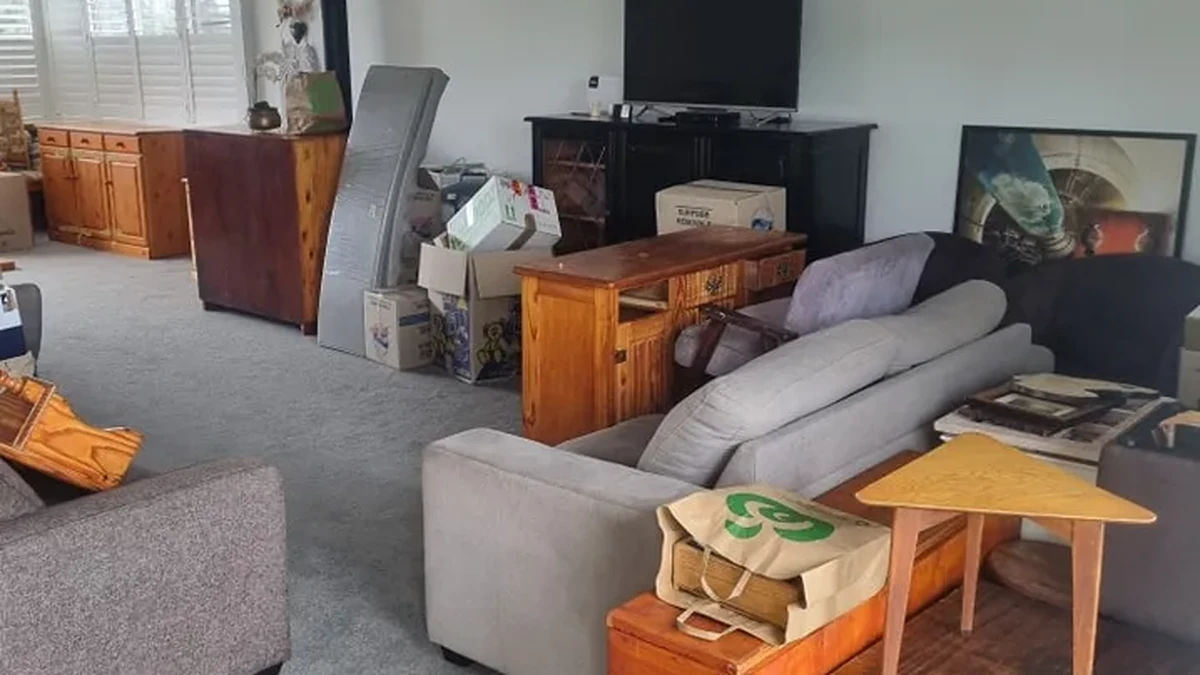
Before the removalist arrives, clear the chosen path as much as possible. A clear route allows removalists to focus on careful lifting and manoeuvring rather than dodging furniture, décor or trip hazards.
Move items such as:
If there are children or pets in the home, arrange for them to stay in another area during the move. This helps keep the pathway safe while heavy items are being carried.
Protect vulnerable surfaces along the route. On hard floors, such as timber, tiles or polished concrete, use protective runners, old blankets or flattened cardboard to reduce scuffing. Avoid loose materials that may bunch up underfoot. In narrow areas, protect corners, door frames, architraves, stair rails and balusters with towels or purpose-made corner guards.
Doors can also be worth removing if extra clearance is needed. Taking a door off its hinges can provide a few additional centimetres, which may be enough for an oversized sofa arm or recliner mechanism. Store removed doors flat and keep hinges and screws together so they can be reinstalled quickly.
Even with careful measuring, some furniture still proves difficult once moving begins. If a sofa will not fit, the priority is to stay practical and avoid forcing it through a tight space. Pushing too hard can damage the furniture, scrape walls, bend door frames or create a safety risk.
Start by reassessing the route. A rear entrance, sliding door, French door or garage access may offer more clearance than the front door. In some cases, changing the angle can also help. The sofa may need to be brought in vertically, led through with one corner first or rotated at a different point.
If the furniture starts scraping walls or catching on the door frame, stop and reassess. Continuing to force it is rarely worth the damage.
If the furniture still will not fit, specialist help may be needed. Professional movers and furniture technicians may be able to remove and refit doors, assess whether further disassembly is safe or advise whether another access option is realistic.
In some properties, upper-floor windows or balconies may be considered, but this should only be handled by professionals with the right equipment and where building rules allow it. This is not a safe DIY solution.
If access is simply too restricted, it may be more practical to sell, donate or replace the item before moving. For a new sofa, choose a modular design or confirm the dimensions against the smallest access point in the home before buying. This avoids repeating the same issue on delivery day.
Ensuring a sofa or other large piece of furniture fits into a property comes down to preparation rather than chance. Accurate measurements, a full access route check and a clear understanding of what can be safely removed all help reduce uncertainty before moving day.
For difficult access, tight staircases, apartment moves or oversized furniture, speaking with an experienced removalist before the move can help identify potential issues early. Vella Van can help assess the practical challenges of moving large furniture and plan the safest way to get items from one property to another with less stress and less risk of damage.


