
Moving to a new home can be challenging enough for people, but for pets, the sudden change in routine, smells and surroundings can be especially unsettling. Vella Van understands this well as a removalist in Central Coast, regularly helping customers who are concerned about how their cats, dogs and other companion animals will cope with the disruption of moving day. This article explores how careful preparation before the move, calm handling on the day and a thoughtful settling-in process can help reduce stress and make the transition easier for pets.
A smoother move often comes down to the small practical steps taken along the way. This article looks at how to prepare your pet before the move, how to manage feeding, exercise and travel on moving day and why familiar bedding, carrier training and secure spaces can make a real difference. It also covers common concerns such as escape risks, travel sickness, noise and signs of distress, helping you better protect your pet’s wellbeing while making moving day more organised and less stressful for everyone involved.
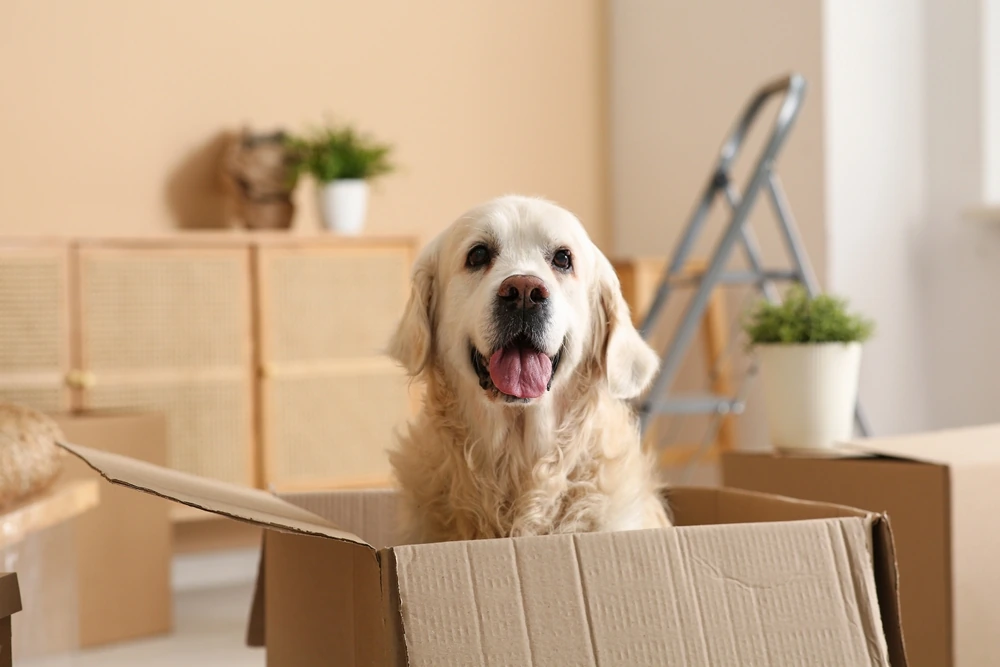
Preparing your pet properly before moving day can help reduce stress and make it easier for them to settle into the new home. Because pets are sensitive to changes in routine, noise and household activity, it helps to start preparing them early rather than leaving everything until the final week.
A gradual approach usually works best. By introducing travel equipment ahead of time, keeping daily routines as steady as possible and creating a calm space during packing, you can make the move feel less sudden and overwhelming for your pet.
Several weeks before the move, it is worth booking a vet check, especially if you have an elderly pet, a nervous animal or a long journey ahead. This is a good opportunity to confirm that vaccinations and parasite treatments are up to date, discuss any concerns about travel sickness or anxiety and organise copies of medical records if you will be changing vets after the move.
Your vet may also recommend calming products such as pheromone sprays, collars or supplements that can be introduced before moving day. If your pet already struggles with anxiety, they may suggest a more tailored plan to help manage the transition.
If your pet will be travelling in a crate or carrier, it helps to start introducing it a few weeks before moving day. The goal is to make the carrier feel familiar and safe, rather than something your pet only sees before a stressful trip.
Place the carrier in a quiet area of the home with soft bedding and a familiar blanket inside. Encourage your pet to explore it by leaving treats, toys or meals nearby or inside, so they begin to associate it with positive experiences. Once they seem comfortable, you can begin closing the door for short periods and slowly extend the time.
If your pet is not used to car travel, short practice trips can also help. Start with brief, calm drives and gradually build up so the experience feels less unfamiliar by the time moving day arrives. Cats and small dogs should travel in secure carriers, while larger dogs should be restrained with an approved harness or travel crate.
As moving day gets closer, homes often become noisier and less predictable. Pets usually cope better when the parts of their day that matter most still feel familiar, so try to keep feeding times, walks and play sessions as close to normal as possible.
It also helps to set aside one room as a calm space while packing is underway. This room should include your pet’s bed, water, toys and anything else familiar, while being kept away from stacked boxes and heavy activity. Giving your pet a quiet place to retreat to can reduce anxiety and lower the risk of escape while the house is busy.
For many pets, moving day is the most stressful part of the process. There is usually more noise, more movement and more unfamiliar people coming in and out of the home. Without a clear plan, it is easy for pets to become overwhelmed or slip out through an open door.
The priority on moving day is to keep your pet secure, minimise their stress and make sure the removals team can work safely and efficiently. A few simple measures can make a major difference.
Before the movers arrive, set up a dedicated room for your pet or arrange for them to stay with someone you trust. A quiet bedroom, bathroom or study with a solid door usually works well if your pet is comfortable staying inside the home. For very anxious pets, however, staying with a friend, family member or boarding facility for the day may be the better option, especially if they are likely to become highly distressed by noise, strangers or constant door movement.
If your pet is staying on site, prepare the room in advance with bedding, water, toys and, for cats or small animals, a litter tray or enclosure. Place your pet in this room before the front door is opened for the crew and keep the door closed throughout loading.
A sign on the door can help remind everyone not to enter. Let the removals team know where your pet is so there is no accidental opening of the room while furniture and boxes are being moved around.
Loose pets can be injured easily in a busy home or vehicle, especially when doors are open and large items are being carried through narrow spaces. Cats and small dogs should be kept in sturdy, well-ventilated carriers that are secure and clearly labelled with your contact details.
Larger dogs should travel in a correctly fitted harness attached to a seatbelt or in a secured crate. They should not be left loose inside a vehicle or transported in unsafe areas where they could be injured during sudden stops or distractions. It is usually best for you to load and unload your own pet so they remain with a familiar person throughout the move.
Pets still need regular care on moving day, even when everything else feels rushed. Dogs should have a toilet break and some exercise before the crew arrives, and again before you leave for the new home. Cats should have access to a litter tray in their safe room until the last practical moment.
Keeping noise and disruption to a minimum can also make a big difference. Placing pets in the quietest part of the home, closing curtains and using soft background noise such as a radio can help reduce the impact of loud voices, footsteps and furniture movement.
It also helps to keep pet essentials like bedding, bowls, food and litter easy to access rather than packing them away too early. That way, when you arrive at the new property, you can set up a familiar space straight away and give your pet some immediate comfort while the rest of the unloading continues.
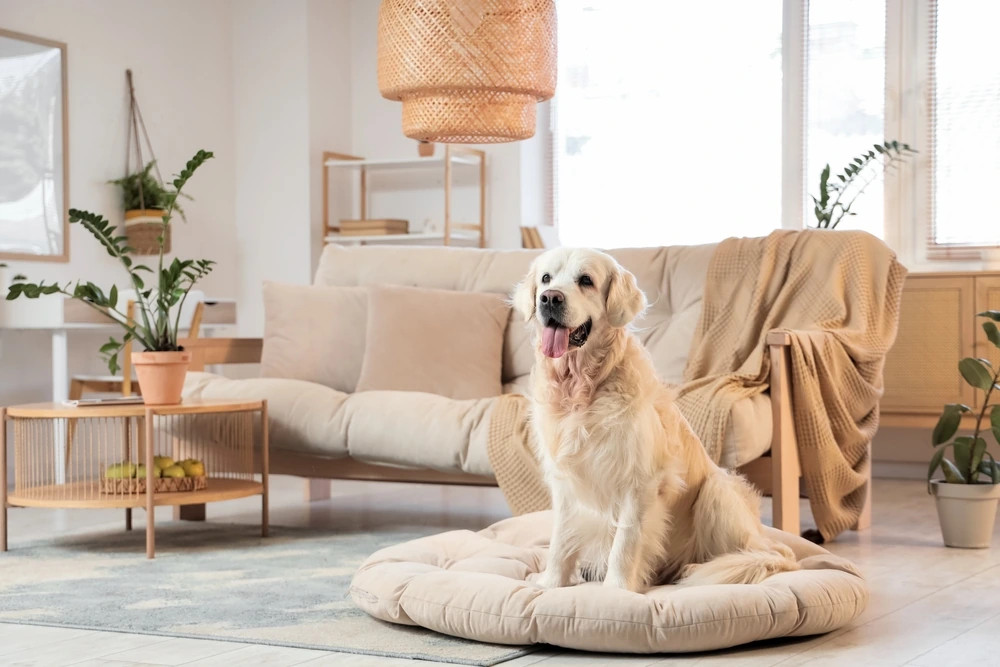
The first few days in a new home can be confusing for pets. The space smells different, sounds different and does not yet feel familiar, so even usually relaxed animals may be unsettled at first.
Settling in is usually not about doing one big thing right. It is more about making a series of calm, practical choices that help your pet feel secure while they adjust to their new surroundings.
Before moving day, decide where your pet will stay when you first arrive at the new home. This should be a quiet room or enclosed space away from the front door, foot traffic and the main unpacking activity.
Set this area up first using familiar items such as; bedding, favourite toys, food and water bowls and anything else that smells like home. For cats, place the litter tray in a quiet corner of the same room. For dogs, a crate can help if they are already comfortable using one.
Try to keep this room calm and undisturbed while the rest of the house is being unpacked. Giving your pet one predictable space can help them settle much faster.
Pets often adjust better when familiar routines return as soon as possible. Even if the house is still full of boxes, try to keep feeding times, walks and bedtime habits close to what they were before the move.
Use the same bowls, beds and leads where possible, and avoid changing too many things at once. Dogs often benefit from short, calm walks around the new neighbourhood so they can begin getting used to new smells and sounds without becoming overwhelmed.
During this early adjustment period, it is also important to keep dogs on a lead whenever they are outside. Even well-trained pets can become disoriented in unfamiliar surroundings, and updated tags and microchip details provide an extra layer of protection if they slip away.
Rather than giving your pet access to the whole house immediately, it is often better to let them explore in stages. Once they seem relaxed in their base room, open up one or two more spaces at a time and supervise how they respond.
This gradual approach can help prevent pets from becoming overwhelmed, hiding in hard-to-reach places or rushing through open doors. Cats, in particular, often benefit from a slower introduction to the full home, as they tend to settle by building familiarity with their surroundings over time.
Dogs can also benefit from a controlled introduction, especially outdoors. Let them explore the yard on a lead first so they can get used to the new smells, boundaries and sounds without the risk of bolting or becoming disoriented. Indoor cats should remain inside for at least a few weeks while they become familiar with the new environment.
Even with careful planning, some pets will still struggle with the disruption of moving. Recognising early signs of stress can help you step in before the problem becomes more serious.
Stress does not look the same in every animal. Some pets become clingy and restless, while others hide, withdraw or stop eating. Paying attention to changes in behaviour, appetite and toileting is important during the lead-up to the move and in the days afterwards.
In dogs, signs of stress can include pacing, whining, panting when they are not hot, hiding, clinginess or destructive behaviour. Some may seem unusually quiet, while others become more reactive than normal.
Cats often show stress by hiding, avoiding people, vocalising more than usual, overgrooming or becoming irritable. Changes in litter tray habits can also be a sign that they are struggling to adjust.
Small pets such as rabbits, guinea pigs and birds may show stress through reduced appetite, changes in droppings, repetitive movements, tooth grinding or feather plucking. Because these animals can be especially sensitive to noise and travel, extra care is needed when handling and transporting them.
Some signs should not be dismissed as simple moving-day nerves. Difficulty breathing, collapse, extreme lethargy, ongoing vomiting or diarrhoea and refusal to eat for an extended period can all require urgent veterinary attention.
Cats that cannot pass urine, and rabbits or guinea pigs that stop eating or produce very few droppings, need prompt veterinary care. Sudden aggression or self-injury can also indicate severe distress or an underlying medical issue.
If something feels more serious than normal stress, it is always best to contact a vet rather than wait.
If your pet’s stress seems mild but continues beyond the first few days, speak with your vet. They may suggest changes to routine, environmental adjustments, calming aids or a more structured support plan.
For more complex issues such as ongoing toileting problems, separation anxiety or aggression, a qualified behaviourist may be recommended. Getting advice early can prevent a temporary adjustment issue from turning into a longer-term problem.
Moving home with a pet is not just about transporting them from one address to another. It is about helping them cope with a sudden change they do not understand. The more prepared and consistent you are, the easier it is for your pet to feel safe throughout the process.
By planning ahead, maintaining routines, managing moving day carefully and setting up a calm space in the new home, you can reduce stress and make the adjustment more manageable. A well-planned move does not remove every challenge, but it can make the experience far less overwhelming and help your pet settle with greater confidence.


